Mozart vs. Science: Can Listening to Music Really Fix Your Brain?
We all know music affects our mood. But can it repair memory? Discover the best Mozart pieces for focus and the modern soundwave therapy designed to clear brain fog.
12/13/20252 min read
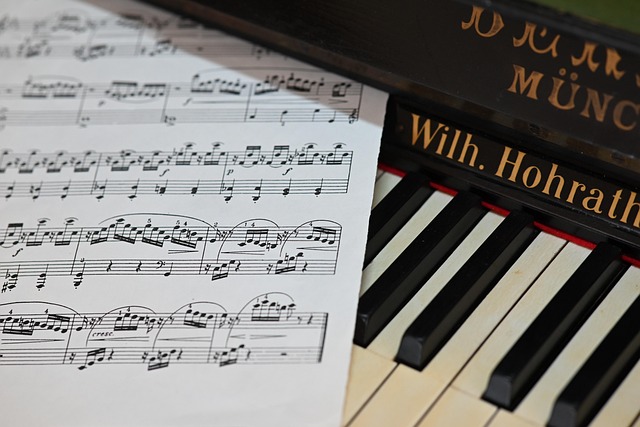
It’s a legend almost everyone has heard.
"Play classical music for your baby, and they will grow up smarter."
"Listen to Mozart while you study, and you will remember more."
It’s called the "Mozart Effect," and for decades, people believed that a simple piano concerto was the secret to unlocking genius.
But is it true? Or is it just a myth?
The truth lies somewhere in the middle. While music is powerful, it works differently than most people think.
How to Use Mozart for Maximum Focus (A Mini-Guide)
Neuroscientists agree that while music can't "rewire" a damaged brain overnight, specific tempos can align your focus. Mozart's music, in particular, often follows a 60-beat-per-minute tempo, which mimics the resting human heart rate.
If you want to try this natural booster, here are 3 specific pieces to add to your playlist, and exactly how to listen to them:
1. Sonata for Two Pianos in D Major (K. 448)
Why: This is the specific piece used in the original "Mozart Effect" studies. Researchers found it temporarily boosted spatial-temporal reasoning.
When to listen: Play this before you start a mentally demanding task, like balancing your checkbook or learning a new skill.
2. Piano Concerto No. 23 in A Major (K. 488) - Adagio
Why: The slow, melancholic movement is perfect for lowering cortisol (stress). Stress is the #1 enemy of memory retention.
When to listen: Play this in the evening to "wash away" the anxiety of the day.
3. Symphony No. 40 in G Minor (K. 550) - Molto Allegro
Why: Unlike the light cheerfulness of other pieces, this symphony has a driving, urgent rhythm. It is known to stimulate high-level alertness and keep the mind from wandering during boring tasks.
When to listen: Use this mid-afternoon when you feel that "2 PM slump" and need a burst of mental energy to finish your day.
💡 The Listening Protocol:
Don't just have it in the background while the TV is on. To get the benefit, sit in a comfortable chair, close your eyes for 5 minutes, and try to follow just one instrument (like the violin) through the whole song. This forces your brain to "tune in."
But... Frequency Matters More Than Melody
While Mozart is a fantastic tool for mood and temporary focus, it has a limit.
Your brain operates on electricity. Your neurons communicate via electrical pulses measured in Hertz (Hz). As we age, our brainwaves often get "stuck" in the wrong gear—too much static, not enough clarity.
Listening to a symphony is nice, but it doesn't force your brainwaves to shift gears deeply enough to trigger biological repair.
To do that, you need Neural Entrainment.
The "Brain Song" Advantage
This is the core difference between a Spotify playlist and the ritual known as "The Brain Song."
While Mozart is art, The Brain Song is engineering.
It uses precise soundwave arrangements that carry specific frequencies hidden beneath the sound. When your brain hears them, it naturally syncs up (a process called the Frequency Following Response), stimulating the production of BDNF—the protein responsible for repairing memory pathways.
So, by all means, enjoy Mozart for the beauty and the calm. But if you are looking for a tool to deeply sharpen your focus and protect your cognitive future, trust the science of frequency.
Want to hear the difference for yourself?
>> Click Here to Discover the 17-Minute Audio Ritual That Goes Beyond Music
Connect
Stay updated with brainhealth tips weekly
© 2025. All rights reserved.